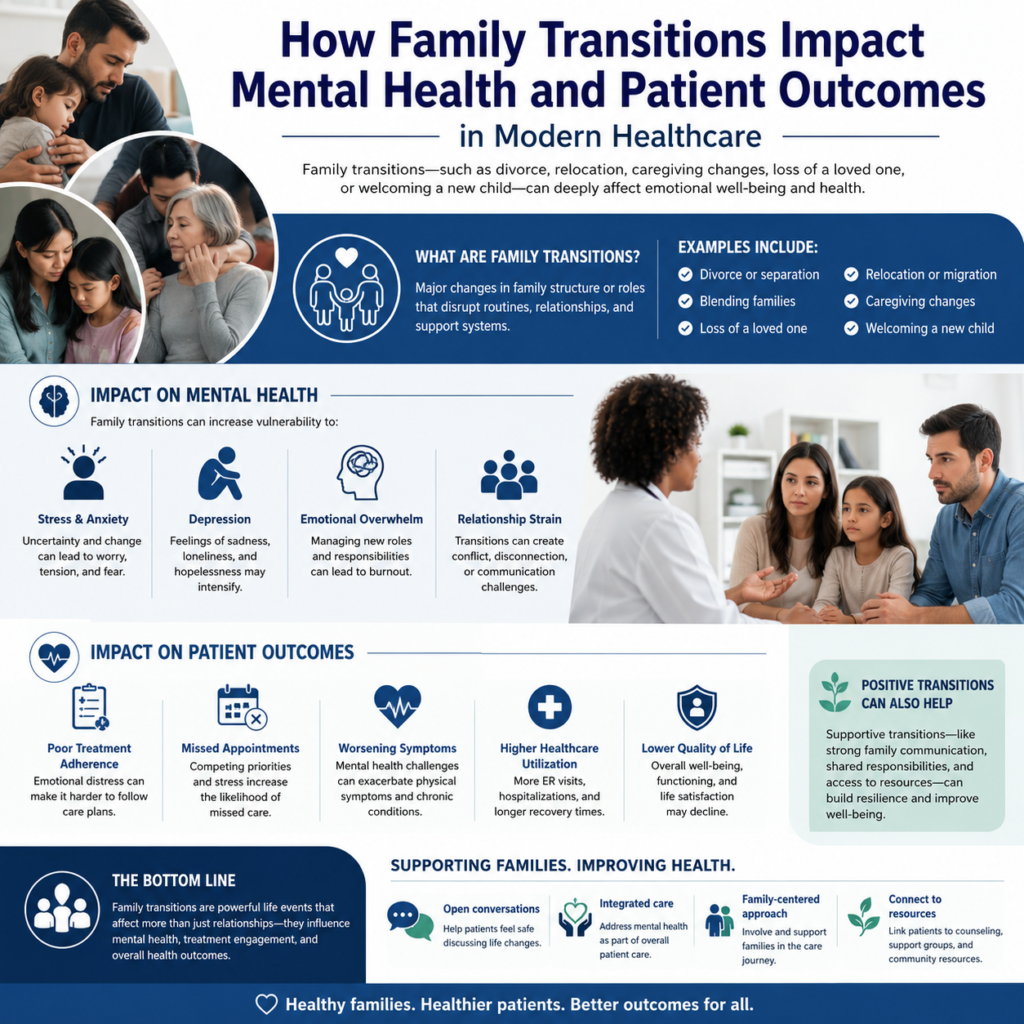
Family life has a profound influence on physical health, emotional well-being, and long-term healthcare outcomes.
While healthcare professionals often focus on diagnoses, treatments, and clinical interventions, the reality is that many health challenges are closely connected to major life events occurring outside the clinical environment.
Among the most significant life transitions individuals experience are relationship changes, separation, and divorce. These events can affect mental health, stress levels, financial stability, healthcare access, and overall quality of life.
For healthcare providers, understanding how family transitions influence patient outcomes is becoming increasingly important as organizations strive to deliver more patient-centered care.
Modern healthcare systems are recognizing that social determinants of health play a critical role in recovery, treatment adherence, and preventive care. Family stability, emotional support, and access to resources are all factors that influence health outcomes.
When significant family changes occur, healthcare providers often become part of the support network helping patients navigate these challenges.
- The Connection Between Family Dynamics and Health
- Mental Health Challenges During Major Life Transitions
- The Role of Healthcare Organizations in Supporting Patients
- Social Determinants of Health and Family Changes
- Supporting Children's Health During Family Transitions
- The Importance of Community Resources
- Building Emotional Resilience
- Healthcare Leadership and Patient-Centered Care
- The Future of Holistic Healthcare
- Conclusion
The Connection Between Family Dynamics and Health
Research consistently demonstrates that strong social and family support contributes to better health outcomes. Patients who have supportive relationships often experience:
- Better treatment adherence
- Lower stress levels
- Improved recovery rates
- Enhanced mental well-being
- Greater engagement with preventive care
Conversely, family conflict and major relationship disruptions can create substantial emotional and physical strain. Individuals experiencing separation or divorce may face increased anxiety, depression, sleep disturbances, and stress-related health conditions.
Healthcare organizations increasingly recognize that addressing these underlying factors can improve both patient satisfaction and clinical outcomes. Understanding the patient’s broader life circumstances allows providers to develop more comprehensive care strategies.
Mental Health Challenges During Major Life Transitions
Life transitions often bring uncertainty and emotional distress. The end of a marriage or long-term relationship can affect nearly every aspect of a person’s daily routine, creating challenges that extend far beyond legal proceedings.
Common mental health concerns include:
Anxiety
Uncertainty about the future can trigger persistent anxiety. Questions regarding finances, living arrangements, parenting responsibilities, and future plans may create ongoing stress that impacts overall well-being.
Depression
Relationship loss can result in feelings of grief, loneliness, and sadness. Without proper support systems, these emotions may develop into more serious mental health concerns requiring professional intervention.
Sleep Disorders
Stress frequently disrupts sleep patterns. Poor sleep can negatively affect immune function, cognitive performance, mood regulation, and overall physical health.
Emotional Exhaustion
Managing legal processes, family responsibilities, and personal emotions simultaneously can create significant emotional fatigue. This exhaustion may impact work performance, social relationships, and healthcare engagement.
Healthcare providers who recognize these challenges are better positioned to offer appropriate referrals and support resources.
The Role of Healthcare Organizations in Supporting Patients
Patient-centered healthcare extends beyond treating physical symptoms. Modern healthcare organizations increasingly focus on the whole patient experience, recognizing that emotional and social factors significantly affect outcomes.
Several approaches can improve support for patients experiencing family transitions.
Early Mental Health Screening
Routine screening for depression, anxiety, and stress-related conditions can help identify individuals who may benefit from additional support.
Primary care providers are often among the first professionals to recognize emotional distress during major life changes. Early intervention can prevent more serious complications and improve long-term outcomes.
Integrated Behavioral Health Services
Many healthcare organizations are adopting integrated care models that combine physical and behavioral health services.
These models allow patients to access counseling, therapy, and mental health support within the same healthcare system, improving continuity of care and reducing barriers to treatment.
Patient Education
Providing educational resources about stress management, self-care, and emotional resilience can empower patients to navigate difficult life transitions more effectively.
Healthcare teams can offer practical guidance on maintaining healthy routines, managing stress, and seeking appropriate support when needed.
Social Determinants of Health and Family Changes
The healthcare industry increasingly acknowledges the importance of social determinants of health. These non-medical factors can significantly influence patient outcomes and healthcare utilization.
Family transitions often affect several key social determinants, including:
- Housing stability
- Financial security
- Access to healthcare coverage
- Social support networks
- Childcare responsibilities
- Employment stability
For example, individuals going through a divorce may experience changes in insurance coverage, household income, or access to support systems. These changes can impact their ability to obtain medical care and adhere to treatment plans.
Healthcare organizations that proactively address these challenges can help reduce care gaps and improve outcomes.
Supporting Children’s Health During Family Transitions
Children are particularly vulnerable to the effects of family disruption. Emotional stress can influence both physical and mental health outcomes.
Potential impacts may include:
- Behavioral changes
- Academic difficulties
- Anxiety symptoms
- Sleep disturbances
- Reduced emotional resilience
Pediatric providers and family healthcare teams play an important role in identifying early warning signs and connecting families with appropriate resources.
Open communication between healthcare providers, parents, schools, and mental health professionals can create a coordinated support system that promotes healthy adjustment.
The Importance of Community Resources
Healthcare organizations cannot address every challenge independently. Partnerships with community organizations often provide valuable support for patients navigating major life transitions.
Examples include:
- Mental health counseling services
- Family support programs
- Financial counseling resources
- Parenting education programs
- Legal aid organizations
- Community wellness initiatives
Patients facing legal aspects of separation may also seek guidance from professionals specializing in areas such as divorce Oklahoma City services when navigating jurisdiction-specific family law matters. Access to reliable information and qualified professionals can reduce uncertainty and help individuals make informed decisions during stressful periods.
When healthcare providers understand available community resources, they can make more effective referrals that support overall patient well-being.
Building Emotional Resilience
Resilience is the ability to adapt and recover during challenging circumstances. While every individual’s experience is unique, healthcare professionals can encourage practices that strengthen emotional resilience.
Encouraging Healthy Routines
Maintaining consistent routines can provide stability during uncertain periods. Regular sleep, balanced nutrition, and physical activity contribute to both mental and physical health.
Promoting Social Connections
Strong social networks often serve as protective factors against stress and emotional distress. Encouraging patients to maintain supportive relationships can improve coping abilities.
Supporting Professional Counseling
Therapy and counseling provide structured support for individuals processing complex emotions and life changes. Early engagement with mental health professionals often leads to better long-term outcomes.
Fostering Self-Care Practices
Mindfulness, stress management techniques, and wellness activities can help patients maintain emotional balance during difficult transitions.
Healthcare Leadership and Patient-Centered Care
Healthcare leaders play a crucial role in creating systems that address the broader factors affecting patient health.
Organizations focused on patient-centered care often prioritize:
- Behavioral health integration
- Staff training on social determinants of health
- Community partnerships
- Patient education initiatives
- Improved care coordination
These investments can improve patient experiences while supporting better clinical outcomes.
Healthcare systems that recognize the connection between emotional well-being and physical health are often better equipped to meet the evolving needs of diverse patient populations.
The Future of Holistic Healthcare
The healthcare industry continues to move toward more comprehensive models of care that consider the whole person rather than isolated medical conditions.
Future healthcare strategies will likely place greater emphasis on:
- Mental health accessibility
- Preventive care
- Social determinant screening
- Care coordination
- Community-based support programs
- Digital behavioral health solutions
As these models evolve, healthcare organizations will be increasingly positioned to support patients through major life events that influence overall health and wellness.
Conclusion
Family transitions can have far-reaching effects on mental, emotional, and physical health. While medical treatment remains essential, healthcare providers increasingly recognize that life circumstances often shape patient outcomes in meaningful ways.
By addressing mental health needs, understanding social determinants of health, and connecting patients with appropriate resources, healthcare organizations can provide more comprehensive and effective care.
The future of patient-centered healthcare depends on recognizing the complex relationship between personal life experiences and health outcomes. When healthcare systems support the whole person, patients are better equipped to navigate challenges, maintain well-being, and achieve positive long-term health results.