Managing patient returns remains a massive obstacle for medical providers.
They negatively affect patient outcomes and increase healthcare costs. Many of these readmissions can be prevented through timely follow-up, effective discharge planning, and better monitoring after patients return home.
Effective monitoring helps providers identify early warning signs, improve medication adherence, and intervene before conditions worsen. It also strengthens communication between patients and care teams, reducing gaps in care continuity.
As healthcare organizations shift toward value-based care, preventing avoidable readmissions has become a top priority.
In this article, we’ll explore how healthcare providers can reduce readmissions through better monitoring, proactive care coordination, and technology-driven patient support.
- Identify High-Risk Patients Before Discharge
- Extend Care Beyond the Hospital With Remote Monitoring
- Improve Care Coordination Across the Healthcare Continuum
- Improve Patient Safety Throughout the Care Journey
- Strengthen Patient Education and Self-Management
- Measure Readmission Trends and Refine Care Strategies
- Important Figures Shaping Post-Discharge Care
- Building a Stronger Post-Discharge Care Strategy
- Frequently Asked Questions
Identify High-Risk Patients Before Discharge
Reducing readmissions starts with identifying patients who are most likely to return to the hospital. The Centers for Disease Control and Prevention notes that three in four US adults have a chronic condition.
Over half manage multiple illnesses, making them highly vulnerable to readmission risks. These chronic conditions drive a staggering $5.3 trillion in annual healthcare costs.
Clinical teams should evaluate key risk factors such as multiple comorbidities, polypharmacy, and previous hospitalizations.
This helps identify patients who are more likely to be readmitted. Providers can then tailor monitoring plans, coordinate specialized care, and arrange in-home support before discharge.
Extend Care Beyond the Hospital With Remote Monitoring
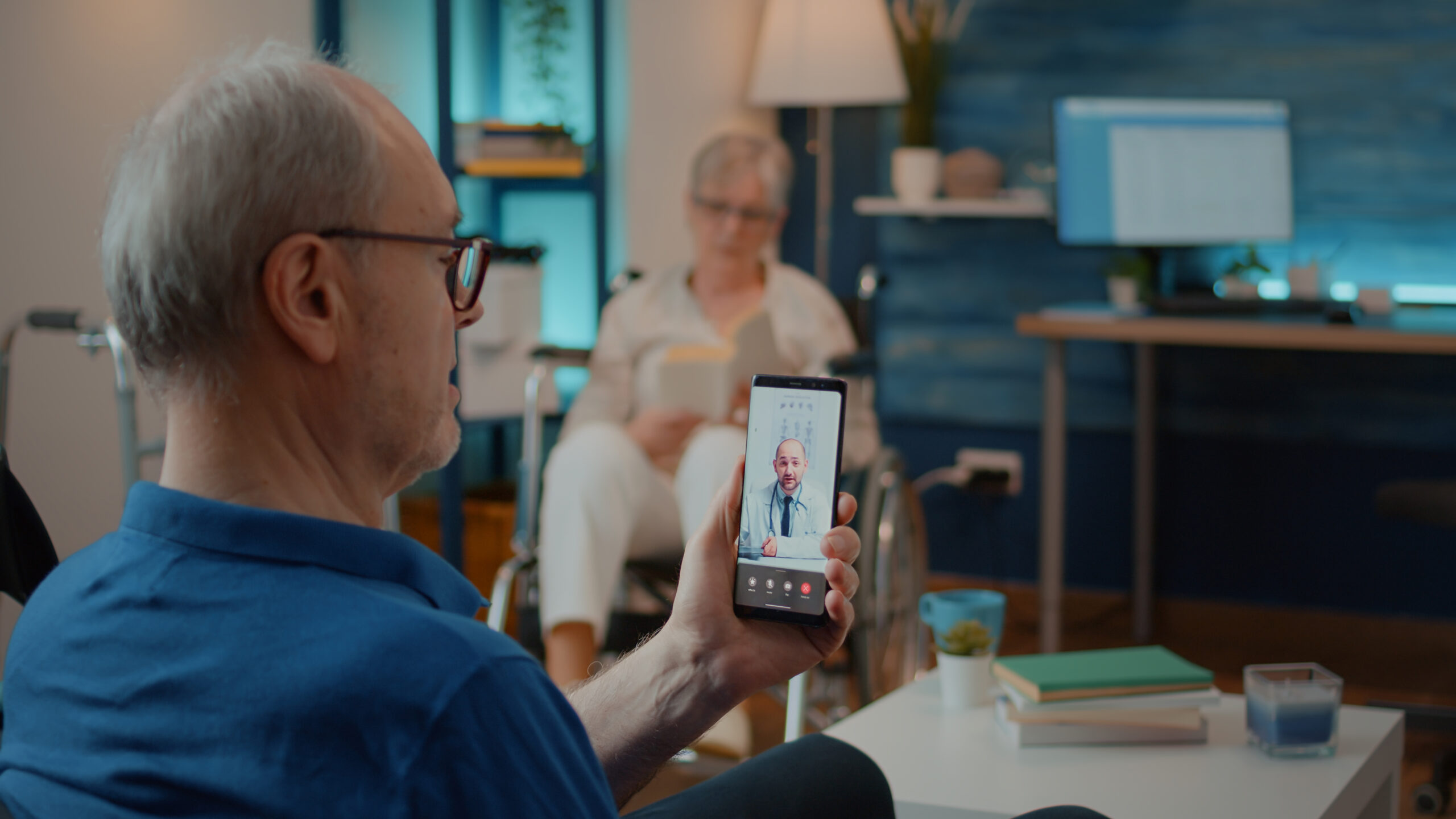
Hospital care should not end when a patient is discharged. One of the most effective ways to extend post-discharge care is through remote patient monitoring. It gives healthcare providers continuous visibility into a patient’s health while they recover at home.
According to CoachCare, remote patient monitoring programs use connected devices such as blood pressure cuffs, weight scales, and pulse oximeters.
These devices securely transmit data, helping providers monitor chronic conditions like COPD, heart failure, and diabetes.
Modern healthcare increasingly relies on integrated digital ecosystems. Wearable biosensors and connected medical devices continuously transmit real-time patient data to secure clinical dashboards for ongoing monitoring.
The greatest benefit of these remote patient monitoring solutions is early detection of health changes. Abnormal vital signs or symptoms can prompt timely clinical intervention and treatment adjustments.
This proactive approach helps prevent complications, reduces avoidable readmissions, and supports safer recovery at home.
Improve Care Coordination Across the Healthcare Continuum
Readmissions often result from poor communication during care transitions. Sharing accurate discharge summaries, medication lists, and follow-up plans keeps every provider informed.
Regular collaboration helps identify concerns early and ensures consistent treatment. Strong care coordination improves continuity, increases patient confidence, and reduces preventable hospital readmissions.
The WHO notes that unsafe medication practices and errors cause widespread, avoidable patient harm globally. These mistakes cost the global healthcare system an estimated $42 billion annually.
They typically occur when weak coordination and human fatigue disrupt prescribing, administration, or monitoring. Strong care coordination across providers is essential to eliminate these fatal errors.
Improve Patient Safety Throughout the Care Journey
Patient safety begins well before discharge and continues throughout the care journey. Standardized care protocols, medication reconciliation, and infection prevention reduce avoidable risks.
Multidisciplinary collaboration keeps physicians, nurses, and pharmacists aligned. Together, these efforts support safer care transitions and help prevent complications.
Within this safety framework, patient monitoring helps clinicians track patient conditions and detect early signs of deterioration. Real-time clinical data supports timely decisions before complications become severe.
Combined with bedside observation and standardized safety protocols, it strengthens patient safety and helps prevent avoidable hospital readmissions.
However, monitoring is most effective when combined with standardized care protocols that guide consistent clinical practices and reduce variation in care.
Strengthen Patient Education and Self-Management
Patient education should include medications, warning signs, follow-up appointments, diet, and lifestyle changes. Teach-back methods help confirm patients understand their care plans.
Continued support through follow-up calls, digital health tools, and community resources strengthens self-management.
These efforts improve treatment adherence and reduce avoidable hospital readmissions.
A National Institutes of Health study found that patients receiving weekly phone calls for 30 days post-discharge experienced a 44% lower readmission rate.
These check-ins, conducted by nurses and cardiologists, focus closely on symptomatology, medication adherence, and diet.
This personalized clinical education empowers patients to safely master their critical self-management at home.
Measure Readmission Trends and Refine Care Strategies
Tracking readmission data reveals patterns that help improve care quality and patient outcomes. Reviewing trends and patient feedback identifies gaps in discharge planning and follow-up care.
These insights help refine care protocols, strengthen monitoring practices, and allocate resources effectively. Continuous evaluation supports lasting improvements and reduces avoidable readmissions.
Dr. William Ford, Chief of the Division of Hospital Medicine, shared on LinkedIn that improving patient outcomes requires understanding the entire care journey after discharge.
He emphasized patient-centered transitions from hospital to home. He also encouraged hospitals to measure transition performance, not only inpatient care quality, to reduce readmissions.
Important Figures Shaping Post-Discharge Care
| US adults living with at least one chronic condition | 3 in 4 adults |
| US adults managing two or more chronic conditions | More than 50% |
| Annual healthcare costs linked to chronic diseases in the US | $5.3 trillion |
| Estimated annual global cost of medication errors | $42 billion |
| Reduction in hospital readmissions with weekly 30-day follow-up calls | 44% lower readmission rate |
Building a Stronger Post-Discharge Care Strategy
Reducing hospital readmissions requires more than a well-planned discharge.
Healthcare providers need to identify high-risk patients early, monitor their recovery at home, coordinate care across teams, and give patients the knowledge and support needed to manage their conditions.
Remote patient monitoring, timely follow-ups, medication reconciliation, and ongoing patient education can help providers detect problems before they lead to rehospitalization.
By tracking readmission trends and continuously improving post-discharge processes, healthcare organizations can deliver safer care, improve patient outcomes, and support long-term value-based care goals.
Frequently Asked Questions
What are the most common causes of preventable hospital readmissions?
Preventable readmissions stem from poor discharge planning, medication errors, and weak care coordination. Unmanaged chronic illnesses and delayed follow-ups further spike risks. Additionally, social barriers like financial strain, lack of transportation, and missing caregiver support often trigger avoidable complications and rehospitalization.
How can medication reconciliation reduce avoidable readmissions?
Medication reconciliation reduces avoidable readmissions by ensuring accurate drug instructions during care transitions. By identifying duplicate prescriptions and harmful interactions, it prevents adverse events. Clear communication about medication changes improves adherence, lowering complications that could otherwise trigger rehospitalization.
Why are the first 30 days after discharge considered critical?
The first 30 days post-discharge are critical as patients face peak risks of complications, medication errors, and sudden physiological decline. During this highly vulnerable transition, structured clinical monitoring and proactive follow-ups are essential to catch warning signs early and prevent avoidable readmissions.