By
By 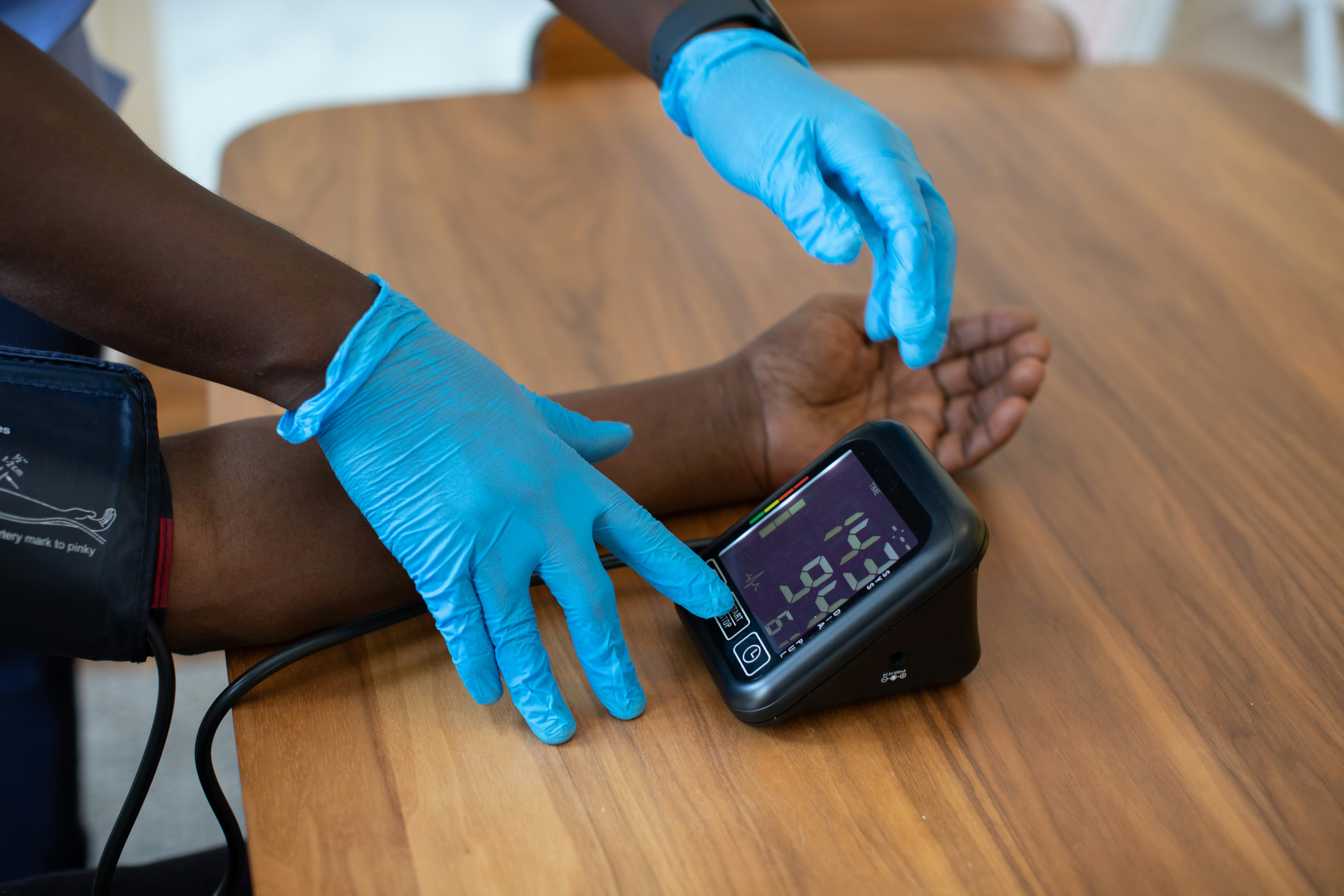
Getting older comes with perks. Plenty of them. Senior discounts. Grandkids. Gardening. Maybe even a world cruise. It paints a nice picture. And with people aged 60 and older expected to double globally by 2050, according to the World Health Organization, more people will soon be living that reality.
But there’s another side that people are not very comfortable talking about. The price tag. Aging often comes with medical costs. And it’s not always a small one. One unexpected fall or a late diagnosis can turn a comfortable retirement into a financial disaster.
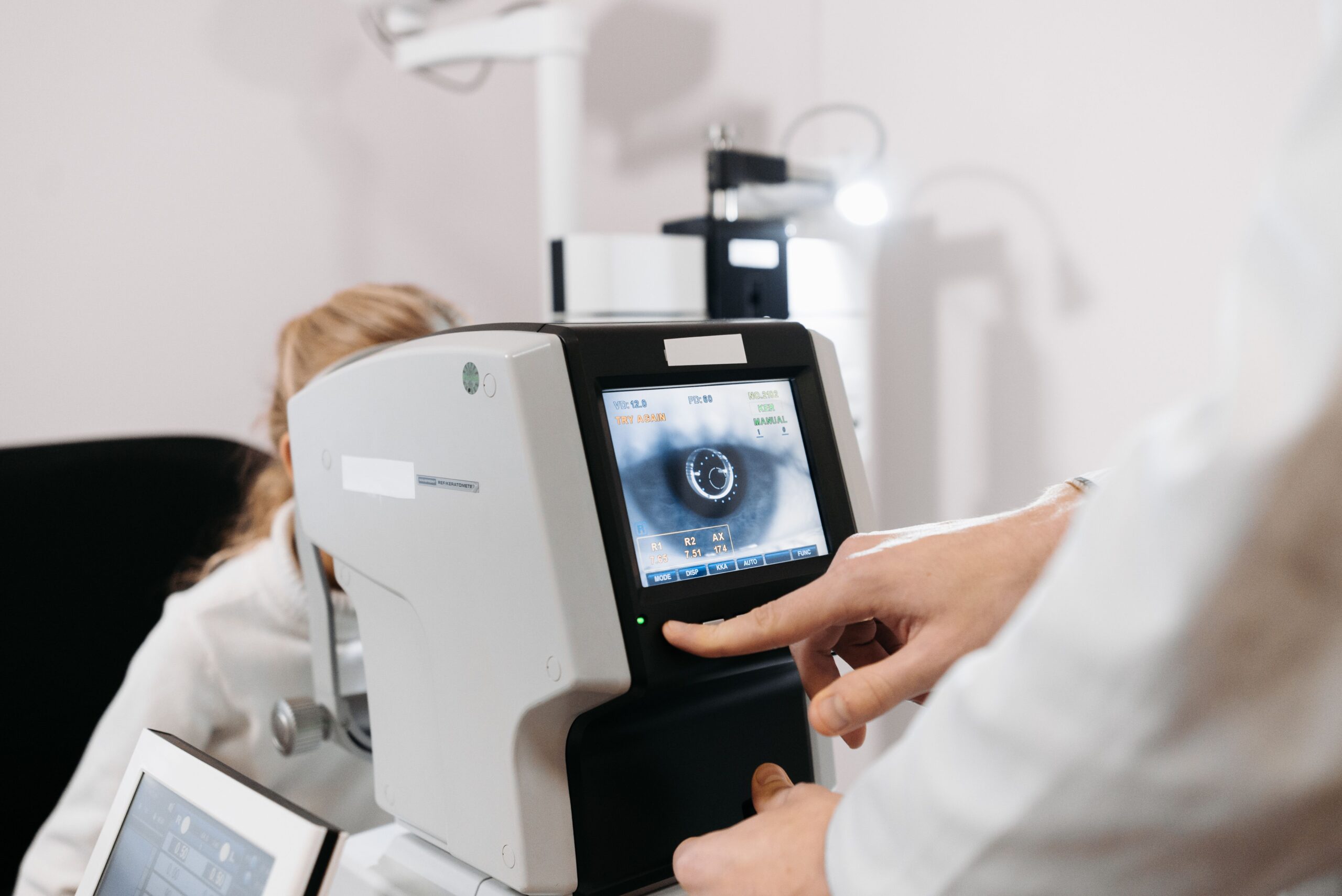
The good news? A meaningful chunk of those expenses is preventable. In fact, preventive care for seniors, which includes early intervention, routine screenings, healthy lifestyle habits, and more, isn’t just good medicine. It’s smart economics.
So, how exactly does prevention help reduce healthcare costs for aging populations? That’s what this article breaks down.
Why Healthcare Costs for the Aging Population Are Rising
Age brings wisdom and perspective. But unfortunately, it also brings a much higher likelihood of chronic illness.
These conditions, like hypertension, diabetes, and heart disease, may not show up at the same time. But sometimes they do. And a lot of older people live with them. In fact, according to the National Council on Aging, nearly 79% of older adults live with up to two chronic conditions. That layering of illness is what drives costs through the roof.
But it’s not just more doctor visits only. Older adults, especially those with chronic conditions, may eventually need long-term care. This means assisted living, nursing homes, or in-home support. None of that is cheap.
To put it in perspective, a Medicare beneficiary with four or more chronic conditions costs the system an average of $21,342 per year, compared to about $2,025 for someone with no chronic conditions.
That gap shows exactly why preventive care matters. Managing late-stage illnesses is dramatically expensive.
How Preventive Care Reduces Healthcare Costs for the Aging Population
Preventive healthcare may look like extra expenses at first. More check-ups, more screenings. But in practice, it actually saves money. Here’s how.
Prevention of Acute Health Events
Some of the most expensive health events happen suddenly. A fall. A bad infection. A fracture. All of these can happen without any warning.
Falls, in particular, are one of the clearest examples of a preventable crisis. According to the National Council on Aging, roughly 25% of adults 65 years and older fall each year in the U.S.A. The medical cost for these falls that are non-fatal? Close to $80 billion.
But many of these falls can actually be prevented. Preventing measures like bone density screenings, medication reviews, and small changes around the home all play a role.
There are also safe workouts for older adults specifically designed to strengthen the muscles. These workouts reduce the risk of falls over time.
And for infections, vaccines can help with that. Flu vaccinations alone, for example, reduce hospitalizations among older adults by more than 40%, according to a 2024 CDC update.
Reduced Chronic Disease Burden
Managing a chronic illness early, before it spirals into complications, is a completely different financial reality compared to dealing with advanced-stage disease.
Take diabetes, for example. When properly managed, many of the worst outcomes, like kidney failure, nerve damage, or dialysis, can be delayed or even avoided.
The same goes for high blood pressure. If it’s caught and controlled early, it can help reduce the risk of stroke, heart attack, or major cardiac surgery.
Each of those avoided outcomes represents tens of thousands of dollars in savings, and that’s minus the months of pain and recovery.
While not “preventive care” in the strictest sense, when chronic conditions are actively managed early and consistently, hospital-level complications drop.
Lower Healthcare Utilization
This part doesn’t always get enough attention, but it’s where a lot of the savings quietly happen. When preventive care becomes a normal part of life, older adults tend to use fewer emergency services. There are fewer surprise hospital admissions. Fewer repeat visits. And generally, shorter stays when care is needed.
A 2024 report from the Organisation for Economic Co-operation and Development noted that by 2050, a combination of robust preventive care and more efficient caregiving methods could reduce long-term care costs by 13%.
That’s a huge amount of savings in healthcare costs.
Challenges and Barriers to Cost-Saving Preventive Care for Aging Adults
Of course, it’s not as simple as it sounds. Access to preventive care for seniors isn’t equal across the board. In many areas, there are often not enough doctors or clinics. This makes routine check-ups difficult to maintain.
Some older adults also deal with insurance gaps or coverage limits that quietly push preventive services out of reach.
For those looking at different ways to manage healthcare expenses, medical cost sharing is another option worth researching alongside traditional insurance and Medicare coverage.
And then there’s the mindset issue. In many communities, there’s still this belief that you only go to the doctor when something feels seriously wrong. That delay can turn small, manageable issues into much bigger and more expensive ones later on.
There’s also the policy factor.
The U.S. spends about $10,197 per capita on proper healthcare, but only $742 per capita on preventive care. That’s a huge gap, and addressing it will require stronger public health policies.
Final Thoughts
The truth is that nobody can stop the clock. But older adults can absolutely reduce much of the pain and medical costs that come with age.
The goal isn’t living forever. It’s about living well for a long time. That also means spending money on things that really matter, not every time on hospital bills.
Ultimately, investing in preventive care is one of the smartest moves for managing the long-term impact of aging populations. It saves money. It saves independence. And it saves a whole lot of heartache.