By
By 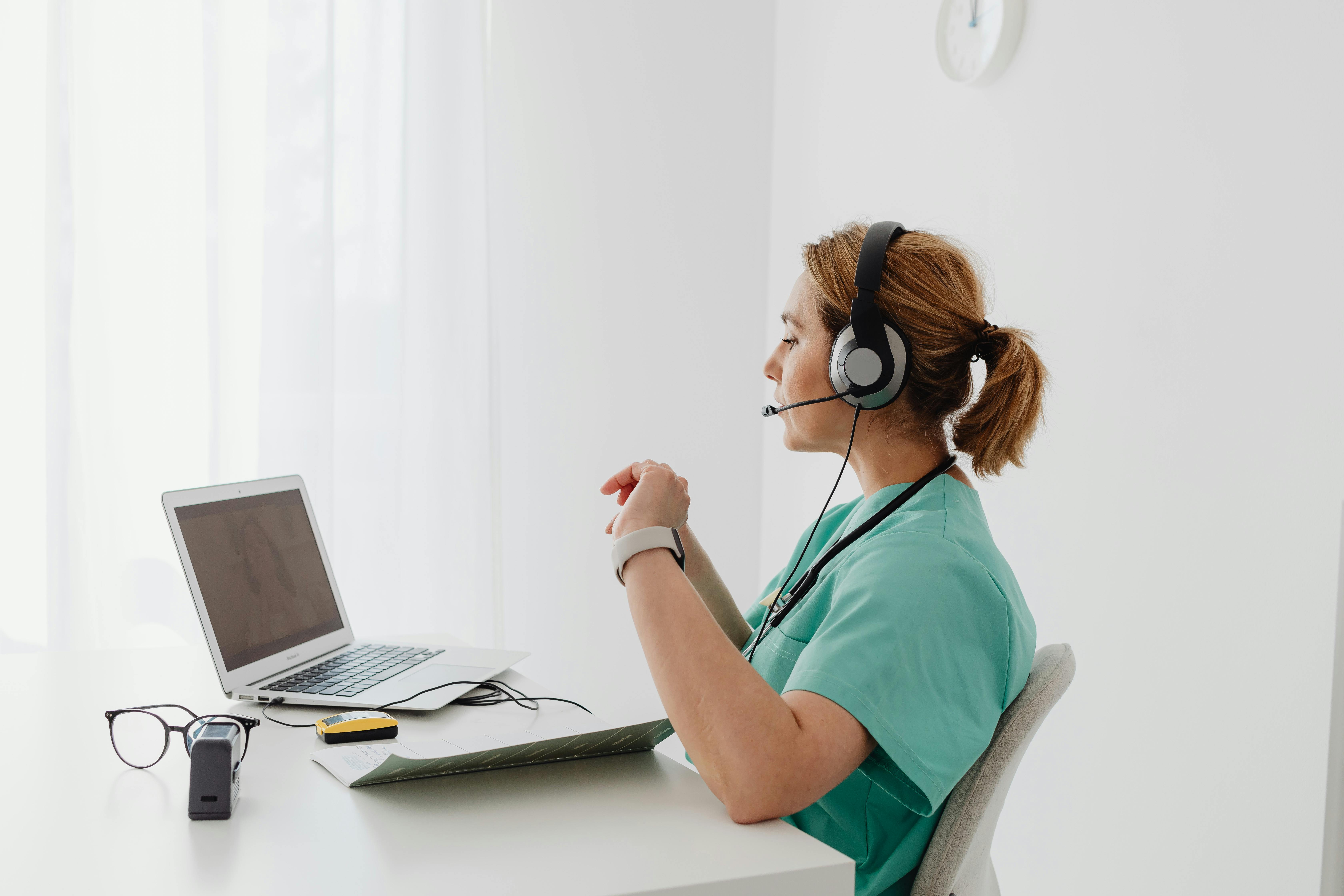
Note: This article is intended for informational purposes only and does not serve as medical advice.
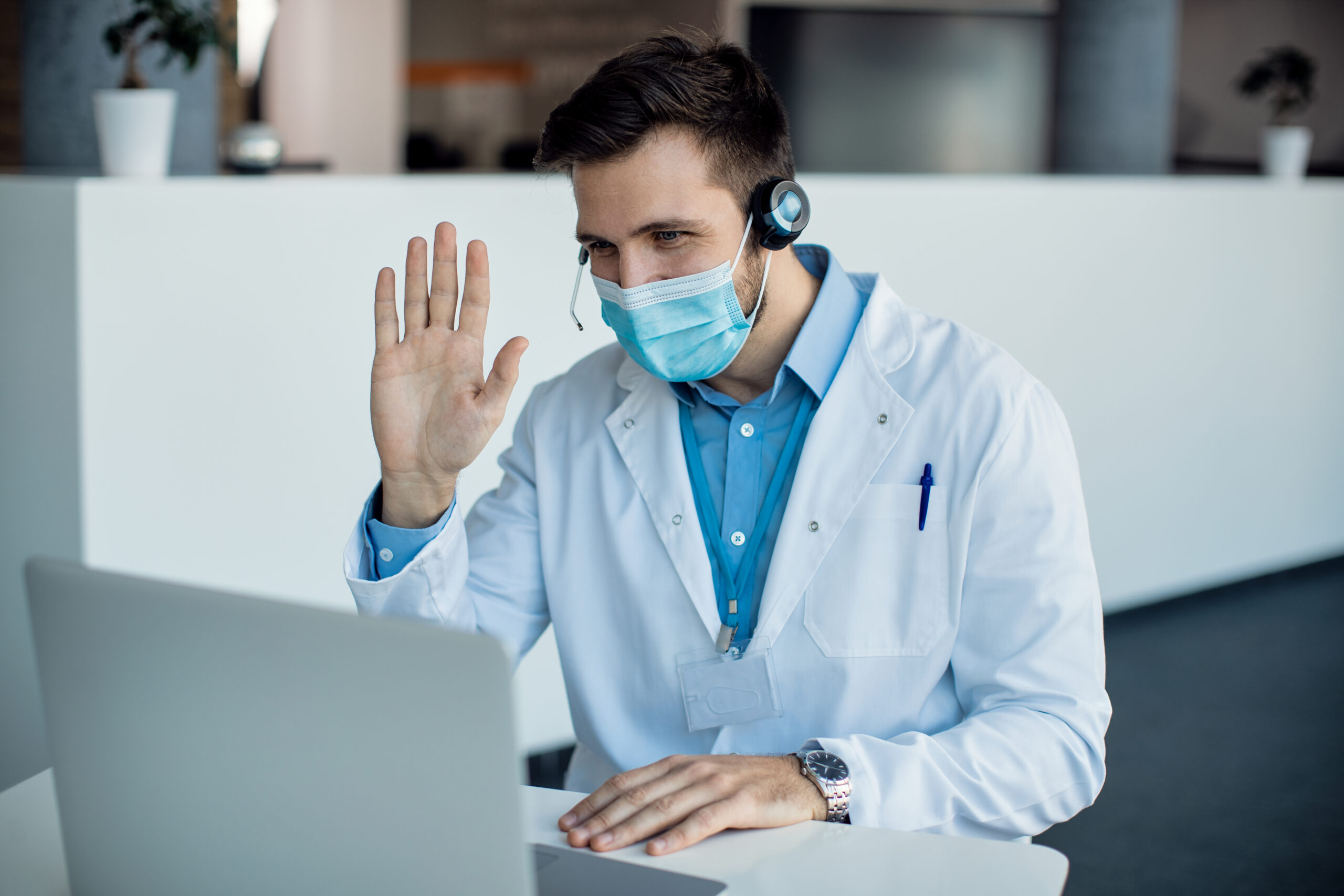
Telehealth is becoming a popular option due to its convenience, giving people access to medical advice and treatment through a computer without the need for travel, among other benefits.
In New Jersey, its use is expanding, with healthcare providers across the state working to accommodate patients by making this type of care more accessible.
Alongside other digital care options, such as virtual IOP programs that support mental health and substance use disorder treatment, telehealth represents not only the future of healthcare but also its present, with significant potential for continued growth.
- What Virtual IOP Means in a Telehealth Context
- Why Virtual IOP Is Becoming Popular in New Jersey
- How Virtual Platforms Improve Access to Care
- Technology Behind Virtual IOP Delivery
- The Provider Perspective: Operational and Business Advantages
- What Participants Typically Look For in Virtual IOP Services
- Local Considerations for New Jersey Telehealth Services
- Limitations and Considerations of Virtual Services
- Conclusion
What Virtual IOP Means in a Telehealth Context
Known as a virtual intensive outpatient program (IOP), this service is used by licensed healthcare providers to offer treatment through a remote care platform.
Patients do not have to visit an office for every appointment. Instead, they log in to the portal from home or another location of their choosing.
As with a traditional treatment program, all information is confidential, and the digital platform uses technology to safeguard it.
Patients still follow a set weekly schedule for accountability, allowing providers to carefully monitor progress. This structure also helps patients better manage treatment alongside household and work responsibilities.
Why Virtual IOP Is Becoming Popular in New Jersey
Healthcare facilities across New Jersey are seeing how virtual healthcare solutions provide access to patients who may not be able to seek treatment otherwise due to transportation issues, living in rural areas, or other factors that impede visits to a medical professional.
Initially, this was a supplemental service offered to individuals who needed it and who otherwise would not have been able to seek treatment.
Now, more individuals are requesting this type of care and gravitating toward facilities that offer it, leading to a surge in offices that provide virtual services.
Convenience ranks as the top reason this form of care has become increasingly popular throughout New Jersey and the U.S.
Students, parents, and working professionals can fit care into their busy schedules, especially when travel time is a consideration. These individuals can live their lives and receive treatment on their terms and at times that work for them.
The comfort of patients receiving treatment in their own homes also makes this option highly sought after. Being in a familiar environment helps patients feel more relaxed, allowing them to open up more to their healthcare providers and optimize treatment outcomes.
For some people, in-person care can be intimidating and make it difficult to fully open up to a provider, discouraging them from seeking care. With virtual visits, this barrier is significantly reduced.
How Virtual Platforms Improve Access to Care
When truly examining the benefits of seeking out a virtual IOP Jersey, one of the most notable advantages is how it addresses logistical and availability challenges. While treatment outcomes matter, improving access to care is a critical benefit.
Individuals with physical disabilities that limit their ability to walk up steps or travel long distances can now receive care despite these challenges.
Sometimes, for those in suburban areas (and particularly those in rural and underserved communities), care is limited. Digital medical platforms help provide access to that care. A person who can only take the bus, for instance, may not be able to reach a facility, or the travel time may be extensive. Offering digital care allows providers to serve a broader area. In fact, a provider can reach patients across multiple counties.
Severe weather can also hinder in-person treatment. With virtual care, however, weather-related barriers are largely eliminated.
Technology Behind Virtual IOP Delivery
From patient portal forms and digital communication tools to video platforms and secure data systems, virtual care relies on a wide range of technologies to deliver services safely and efficiently.
Ease of use is also a key consideration with any technology employed. Patients must be able to navigate systems easily for care to remain accessible.
In addition, communication within a virtual environment includes appointment reminders, scheduling tools, calendars, and access to medical records. These features help patients stay on top of their healthcare.
As with any aspect of the medical field, privacy and patient confidentiality are not only essential for patient comfort but are also legal requirements. Virtual platforms and chat communications must comply with applicable laws and use encryption and other safeguards to protect patient information.
The Provider Perspective: Operational and Business Advantages
Scalability ranks as one of the main advantages of offering virtual visits. Facilities can provide care to more patients than ever before. How care is delivered is also worth noting, as there is less downtime between sessions due to streamlined administrative tasks.
Virtual care may also lower the costs of running a practice by reducing the need for physical space. The money saved can then be reinvested into other ways to deliver care more effectively.
What Participants Typically Look For in Virtual IOP Services
Anyone searching for a virtual IOP in Jersey should choose carefully and keep in mind factors such as the following:
- Time flexibility – to ensure a person can attend regular appointments, checking the available scheduling times is vital.
- User-friendliness – while every platform is meant to be easy to use, each one is different, so looking into the platform used is a requirement.
- Responsiveness – having the practitioner who answers questions in a timely manner is a necessity during treatment.
- Communication of staff – being able to understand a medical professional and feel like a person clicks with the provider plays a role in efficiency.
- Licensure and credentials – verifying the practitioner has the proper licensure and credentials remains at the top of the list when looking for a virtual IOP service.
- Help for other members of the family – see if the facility offers care for other members of the family who’ve been affected by the mental health condition or substance abuse issue.
Local Considerations for New Jersey Telehealth Services
As individuals explore telehealth services, they should review the guidelines and trends that affect patient care. Licensing requirements are an important location-specific consideration. It is also essential to understand the laws surrounding insurance coverage and reimbursement for this type of care. Additionally, providers must comply with privacy and security standards, including regulations such as HIPAA.
Limitations and Considerations of Virtual Services
While this type of care offers many benefits, it also has limitations. Patients need reliable internet access to attend scheduled appointments, as connectivity issues or interruptions can hinder care.
For some individuals (particularly those who did not grow up in a technology-driven world), facing digital systems may be challenging. Even accessing the internet may not be a simple task.
Not everyone has a private space in their home where they can attend appointments confidentially, making privacy an important consideration.
Virtual IOP models increase accessibility and convenience and also offer benefits for providers. For individuals who have never tried telehealth before, it may be worth exploring due to the advantages it offers over traditional options. As a reminder, this article is for informational purposes only.
Conclusion
Virtual IOP and telehealth services are reshaping how care is delivered across New Jersey by removing common barriers such as transportation challenges, scheduling conflicts, and limited local availability.
Through secure technology, flexible scheduling, and patient-centered design, virtual care offers an effective alternative to traditional in-person treatment.
As demand continues to grow, both patients and providers benefit from increased accessibility, efficiency, and comfort.
While virtual services may not be the right fit for everyone, they represent a meaningful and expanding option for individuals seeking mental health and substance use disorder treatment on their own terms.