By
By 
The healthcare sector is in dire need of change and strong leadership to navigate the complex challenges it faces today. Rising costs, staff shortages, technological disruption, and increasing patient expectations are pushing the system to its limits.
In the US, just under half of the country’s adults find it difficult to afford healthcare costs. In fact, one in four say they or a family member struggled to pay for healthcare in the past year.
The new tariffs being introduced by the current US administration are adding to this problem. As these tariffs come into effect, healthcare costs will only go up, making medications and medical services even costlier.
- The Need for Strong, Effective Leadership in Healthcare
- #1 Clear Communication with Compassion
- #2 Strategic Leadership for Quality Improvement
- #3 Adaptability in Times of Change
- #4 Emotional Intelligence That Builds Strong Teams
- #5 Financial and Resource Management
- #6 Inspiring Innovation in Healthcare
The Need for Strong, Effective Leadership in Healthcare
Without effective leadership, these issues risk deepening gaps in care and widening inequalities. Strong leaders are essential to set clear visions, make evidence-based decisions, and foster collaboration across diverse teams. They can drive innovation, ensure accountability, and advocate for policies that put patient well-being at the forefront.
In times of crisis, from pandemics to resource shortages, leadership determines whether healthcare systems adapt or collapse. Moreover, strong leaders inspire and retain talent in a workforce that is often overburdened and underappreciated.
If you want to thrive as a leader in the healthcare sector, you need more than just technical knowledge. It is not enough to understand medical procedures or keep up with policies.
You need the ability to guide people, manage resources, and adapt to challenges that come with this fast-moving industry.
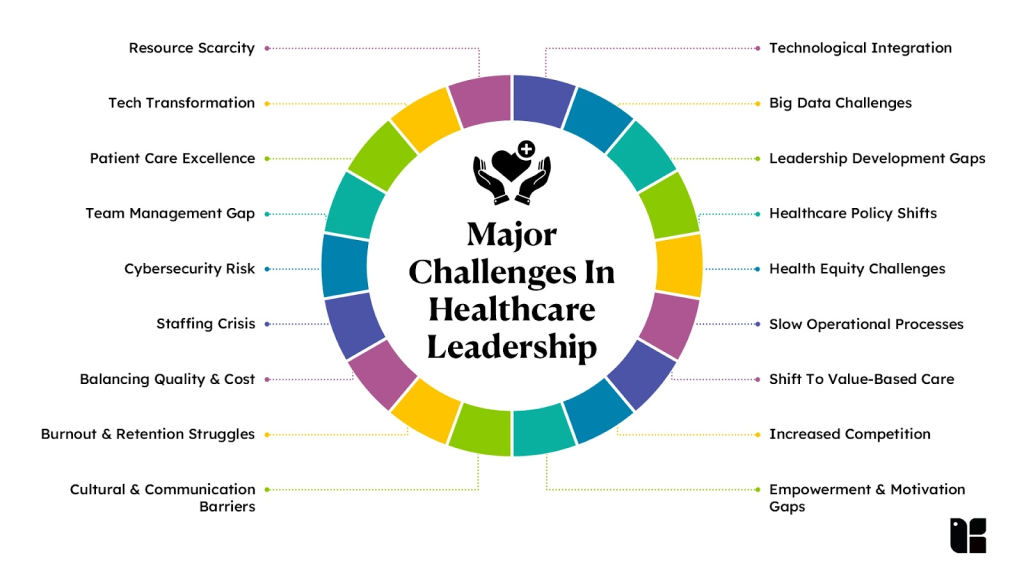
Healthcare is changing every day, and leadership roles are expanding with it. Leaders are expected to motivate teams, improve patient care, and create systems that actually work.
Let’s talk about a few must-have skills that every healthcare leader needs to succeed today.
#1 Clear Communication with Compassion
Communication is the heartbeat of healthcare leadership. Patients, staff, and administrators all rely on leaders who can explain things clearly and listen just as carefully.
In an environment where stress and uncertainty are part of daily life, a leader who communicates with empathy makes a huge difference. Being able to simplify complex medical information into language that patients understand is crucial.
Equally important is ensuring that your staff feels heard when they raise concerns or share ideas. Leaders who show compassion in their communication build trust and loyalty, which ultimately leads to better outcomes for both patients and staff.
#2 Strategic Leadership for Quality Improvement
One of the biggest responsibilities healthcare leaders carry is guiding quality improvement efforts. Here, strategic leadership is more than just making policies; it means shaping a vision that inspires your team.
You need to understand data, track performance, and figure out where improvements can make the most impact. A good leader sets a tone that makes quality improvement part of the daily culture rather than an occasional initiative. Nurses are stepping into these leadership roles as well, often pursuing advanced education to strengthen their skills.
Many are enrolling in online programs, such as the Baylor DNP program, to sharpen their expertise in advanced nursing practice. Opting for online programs stems from the fact that they offer flexibility without compromising on education quality. Hence, nurses can work full-time jobs while pursuing advanced education in leadership.
Advanced doctor of nursing practice programs allow nurse practitioners to develop quality initiatives through strategic planning. Through nursing education and hands-on experience, they build leadership skills that prepare them to lead meaningful change in the healthcare sector.
#3 Adaptability in Times of Change
The healthcare sector never stands still. Regulations change, technology evolves, and unexpected crises can shake even the strongest systems.
Leaders need to be adaptable, ready to shift gears quickly without losing sight of their long-term goals. Flexibility allows them to keep their teams focused and calm, even when the path forward looks uncertain.
Think about how quickly telehealth services have expanded in recent years. Leaders who embraced change, instead of resisting it, were able to provide patients with the care they desperately needed. Adaptability is not about having all the answers; it is about being open to new approaches and keeping your team confident through transitions.
#4 Emotional Intelligence That Builds Strong Teams
Leading in healthcare requires much more than clinical expertise. Emotional intelligence is what helps leaders connect with their teams on a human level. It allows them to recognize when staff are burned out, when tensions are rising, or when someone needs encouragement.
By showing empathy and self-awareness, leaders can build stronger, more resilient teams. Staff members who feel understood are more likely to stay motivated and committed to their work. Emotional intelligence also helps leaders handle conflicts gracefully, which is essential in a fast-paced environment where stress can run high.
#5 Financial and Resource Management
Healthcare may be about saving lives, but it is also about managing resources wisely. Leaders need to balance patient needs with the financial realities of running a hospital or clinic. This skill is about more than just looking at budgets; it is about making smart choices that keep care accessible while keeping organizations sustainable.
When leaders understand how to allocate resources effectively, they can ensure that staff have the tools they need to succeed. It could be anything from updated medical equipment to enough training opportunities for professional growth. Without strong financial and resource management skills, even the most compassionate leaders will struggle to keep systems running smoothly.
#6 Inspiring Innovation in Healthcare
Innovation is not a buzzword in healthcare; it is a necessity. Leaders must encourage creative thinking and support new solutions to old problems. This could mean adopting new technologies, rethinking patient care models, or developing programs that make services more accessible.
The best leaders do not just accept innovation; they create an environment where their teams feel safe to experiment. Encouraging ideas, even risky ones, often leads to breakthroughs that can transform patient care. Leaders who foster innovation are the ones who keep healthcare moving forward, making it better for patients and professionals alike.
Leadership in healthcare is not simple. It requires a careful balance of technical know-how, emotional intelligence, and practical decision-making.
The skills we’ve discussed are what set successful leaders apart. If you are stepping into a leadership role, think about which of these skills you need to grow in your role. Healthcare will continue to evolve, and leaders who keep learning and adapting will always be the ones shaping its future.