By
By 
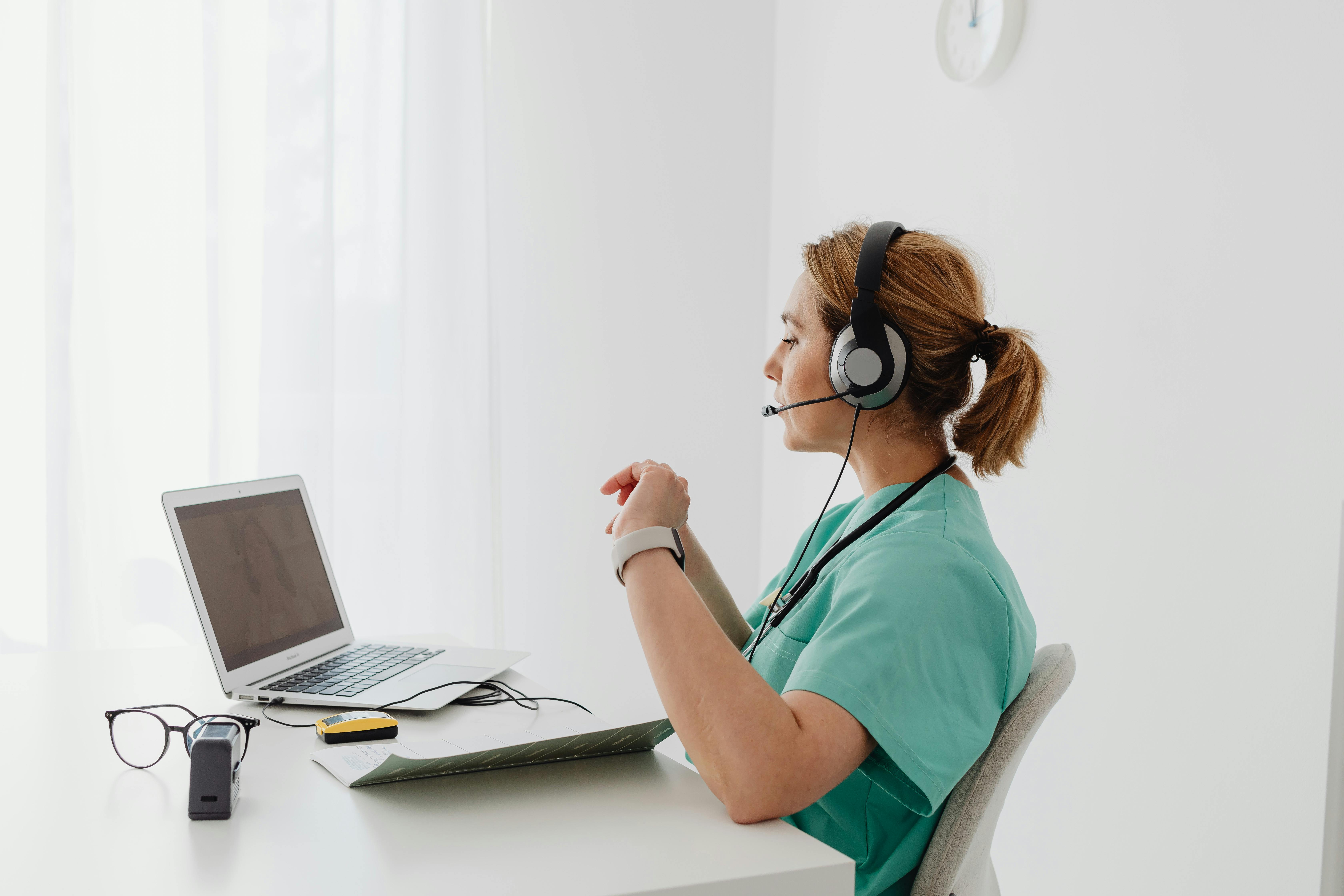
Positions for psychologists are changing as healthcare is evolving, especially with telehealth. It means a great deal in terms of how psychologists work and operate their practices, but the main difference is regarding the benefits to patients.
It even affects clinical psychologist staffing, since it allows them to do more to serve patients, which is helpful to both practitioners and patients. That’s not where it ends, though.
Providing Patients with More
One of the main benefits of changes in the psychology realm is how it affects patient care. For one, more patients can receive care than ever before because transportation isn’t a factor.
Scheduling issues also won’t get in the way because it’s much easier to book appointments when you don’t have to worry about commuting to the facility.
Patients who are nervous about face-to-face visits can also benefit. Ultimately, psychologists are able to provide care to more patients than before.
The Start of the Telehealth Change
Telehealth isn’t necessarily a new part of psychiatric medicine. It was initially established in the 1990s using closed-circuit television and video conferencing.
It was seen more often in prisons, rural clinics, and hospitals. The goal of this treatment was to bridge the gap and address psychiatric healthcare shortages, particularly in rural areas, correctional facilities, academic medical centers, and Veterans Affairs (VA) facilities.
This type of medicine continued to evolve, and medication management, psychiatric evaluations, and follow-up visits all became possible through video.
At this point, there were strict regulations. Because state licensure didn’t grant psychologists the ability to practice outside of their own state, they were limited.
The definitions were quite narrow. Since telehealth has become more popular and normalized, practitioners have been granted the privilege to expand care to a wider population, but regulations were established to define the scope of care a psychologist can offer.
A Technological Shift
Patient care has always been the main focus of a psychologist. It’s about helping patients manage any symptoms they have and learn how to cope with everyday stressors.
Psychologists serve the purpose of assisting patients in learning how to function more effectively and develop strategies for long-term mental well-being.
Nowadays, psychologists still play the same role in patients’ lives. However, along with those clinical skills, these practitioners need to know how to navigate the technological landscape to provide care to patients in a way that many now desire, remotely.
That’s why psychologists in this day and age must be technologically literate and understand how to communicate digitally. They need to learn how to provide remote care while still maintaining ethical standards.
Patient Care Is More Accessible
Rural patients are often neglected when it comes to access to healthcare. They must travel a considerable distance to reach a practitioner, sometimes deterring them from getting the medical care they need when they need it.
Then there are patients who don’t have access to transportation. Especially with long-term care, trying to make appointments isn’t easy.
Busy professionals or parents don’t have wide-open schedules. They may find it difficult to attend regular appointments when their schedules are so busy.
Since psychologists can now offer telehealth, they are more accessible to patients. Ultimately, this leads to more mental health issues being addressed and more patients receiving the care they need.
For clinical psychologist staffing, this influx in accessibility means more patients and more income.
Hours Are Becoming Flexible
Though a clinical psychologist has always had some leeway when it comes to hours, choosing their days and schedules, they typically spend six to eight hours per day in the office.
With the option of telehealth, psychologists can work on a schedule that better suits their lives.
They can focus on the hours that patients need and manage their own responsibilities more easily.
Ultimately, with the added flexibility, a psychologist may be able to take on more patients. As a result, they may wind up increasing their income compared to working in a traditional office setting.
Meeting the Increased Demand for Mental Health Professionals
Public health is an area of medicine that has been vital since the establishment of nationwide government health organizations, as well as local ones.
Recently, these organizations have started normalizing mental health care and emphasizing the importance of emotional well-being.
Psychologists are now in positions where they are meeting the increased demand for mental health professionals.
Allowing Psychologists to Have Better Work-Life Balance
The demands of a psychologist’s job often take a toll on the practitioner’s mental health.
They may feel overly stretched and miss out on special events in their children’s lives and small moments with their significant others, all in an effort to keep up with heavy patient loads.
These professionals may strive to put their patients first whenever they can.
Through advancements in technology that benefit clients, psychologists are also benefiting. They are able to achieve a better work-life balance, which means they can better serve patients.
Clinical psychologist staffing is changing with the technological advancements transforming the field.
While these professionals were once focused solely on the clinical aspect of care, they are now learning how to use technology to improve patient care and to their own advantage.
Public awareness of the importance of mental healthcare is growing at an ideal time, considering the changes happening in the field.