By
By 
During one conversation that I had with a nurse, she conveyed her exhaustion succinctly by saying, “I quit crying in my work environment. Not because there was any improvement, but I simply didn’t have the energy to do so anymore.”
This came about after she’d been working six weeks straight of back-to-back shifts that were 14 hours long.
It’s burnout. It’s not a bad week at work. It’s not even dreading Monday mornings. It’s a lot worse than that.
We’ve Been Misreading This Problem for Years
For many years, burnout was thought of as a problem connected with the personal psychology of workers in the field of healthcare.
Solutions included training programs on increasing the resistance of staff members, apps for meditating, as well as wellness seminars held during lunch breaks. The strategy for solving the problem conveyed some information that employees had to sort out everything by themselves.
Nevertheless, what do decades of research studies devoted to the subject say about burnout? It is not a people problem but rather a systemic one. As long as executives, managers, and supervisors at hospitals do not understand this concept, all attempts to fight burnout will not bear fruit.
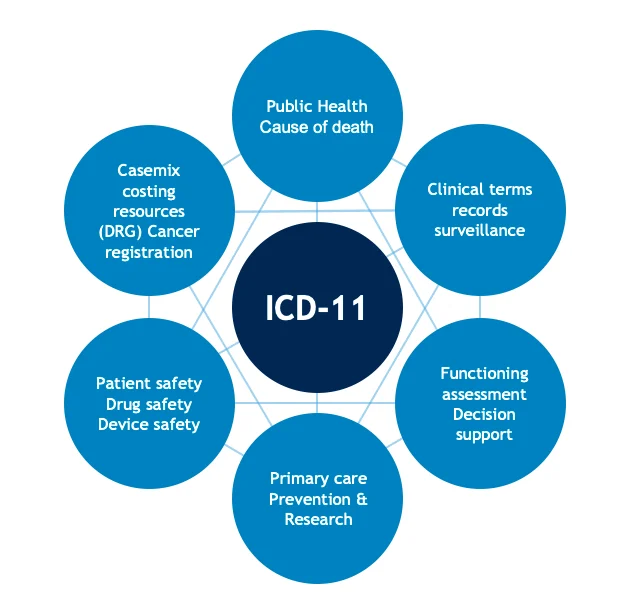
In 2019, the World Health Organization introduced burnout into the International Classification of Diseases. Three criteria identified this problem, including exhaustion, high levels of depersonalization or emotional distance between staff members and patients, and cynicism regarding their work.
Any individual working in the ER or ICU understands burnout very well, as he or she notices these signs in their coworkers without even thinking about this problem.
The Numbers Are Uncomfortable
So let us dive right in.
Before the coronavirus outbreak, burnout among physicians in the United States was somewhere between 40%-50%, varying according to their specialties. Nurses were not left too far behind in that matter.
Now, due to the pandemic, the percentage of burnout is higher than ever before. According to a study done by the British Medical Association in 2021, two-thirds of doctors in the United Kingdom have experienced poor mental health during the pandemic.
South Asian countries, specifically India, do not fall short of stress as well. Because of the limited number of healthcare workers compared to the large population, along with long work hours, low pay scales for those who work in government healthcare institutes, lack of support for mental well-being, and inadequate facilities, the situation becomes perfect for burnout among clinicians.
This is also why stronger healthcare recruitment strategies matter: staffing shortages directly increase workload, pressure, and long-term burnout risk.
The repercussions of burnout affect many. Those clinicians who are stressed make mistakes in their jobs. They lack interest in their patients. They leave their jobs.
Financially, the effort put into training a new physician is huge and takes several years. So losing him and then having to train another clinician again proves to be costly – apart from being unethical.
What Actually Causes It – Beyond the Obvious
All these common causes are well known to everyone. Long working hours, understaffing, emotional burden.
However, there are other causes that rarely get mentioned.
One of the leading factors is the administrative burden on clinicians. According to a widely cited study published in the Annals of Internal Medicine, for every hour physicians spend providing direct patient care, they spend nearly two additional hours on paperwork and EHR tasks.
Two hours. On documentation. For people who spent ten years learning how to diagnose and treat patients.
Some hospitals piloting an AI-powered healthcare solution for documentation and administrative workflow have reported meaningful reductions in that paperwork burden – giving clinicians back actual time with patients rather than screens.
But those remain exceptions, not the norm. Most clinicians are still drowning in the same administrative load they were a decade ago, just with a fancier software interface on top of it.
Frustration that arises as a result of such a discrepancy accumulates over the years and becomes toxic.
Secondly, there is a phenomenon called moral injury. Unlike stress, it is caused by circumstances that force healthcare professionals to violate their personal ethical beliefs.
These include refusal to provide treatment due to cost limitations, prioritization of ventilator supply amid a medical emergency, or inability to help people with deterioration because of insufficient resources.
Thirdly, there is invisibility. Some nurses, allied health professionals, and junior physicians have a feeling that they are invisible within their organizations. There is no appreciation of their contribution to patient welfare, no constructive feedback, and no opportunity to participate in decision-making.
What Resilient Teams Actually Look Like
Well, this is where the rubber meets the road – and I have to say, most companies fall flat on this one because change is hard, but writing a health report every month is not.
Start by looking at the environment. Before any individual-level initiative can be taken, consider some tough questions about the environment in which the work is taking place.
Are the shifts set according to safety staffing or financial forecast? Is there really a designated rest area, or do you just call the break room the closet with a microwave? Do the employees get to make the decision about their shifts?
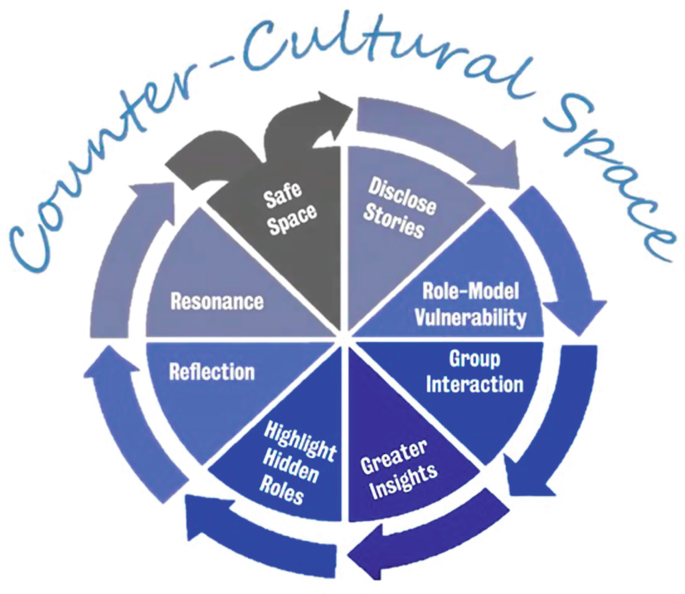
Peer support -true peer support -makes a difference. It does not include that hotline number mentioned in HR’s email. It is the person who is trained for it, whom you can trust and reach out to for uninterrupted discussion following difficult incidents.
Schwartz Rounds, which are practiced extensively across the US, UK, and Australia in health care institutions, bring together interprofessional staff members and conduct discussions on the emotional aspect of caring. It might be too simplistic, but it is not.
Managers need to be taught how to lead people, not just processes. However, a groundbreaking study published in JAMA Internal Medicine found that the behavior of the direct supervisor was the most important predictor of physician burnout, even overshadowing the effects of specialization, hours, and complexity of patients.
The supervisors who checked in, acknowledged the problem, communicated upward, and expressed genuine appreciation had the healthiest groups. Personality is irrelevant here. What you are looking for is a skill set. And we don’t invest anything in it.
Give people back some control. It doesn’t have to be spectacular. Allowing your team some input on how their roster is made up. Consulting with nurses regarding changes to policies that affect them on a daily basis.
Finding out from a junior doctor what aspects of his or her week proved difficult – and paying attention. Nothing beats autonomy when it comes to combating exhaustion. Take it away, and you’ll face the consequences.
Normalize getting help. It remains challenging within the context of healthcare. The fear lies in what it implies in terms of licensure, what it conveys when it comes to peer assessment, and what it means to appear vulnerable within an organization that associates toughness with competence.
Leaders must lead. The director of a department speaking up about their therapy or acknowledging that a situation affected them eases the vulnerability for everyone under them.
A Harder Truth Worth Saying Out Loud
This conversation will not yield any positive results in the case when the organization adopts the ideas contained therein, embraces everything that is discussed, and then only adds “resilience program” to its annual report without changing anything about how things run in the organization at all.
The healthcare providers do not need to be coddled. They just ask for the conditions under which their work will become possible. There should be enough employees. Their workload should be manageable. The administrators should respect them as professionals and not just as productivity units. A place where acknowledging problems will not mean losing one’s career.
The happy physician is not the only one who makes their job better. Such a person is also more efficient. They make fewer mistakes. They notice those patients who are beginning to get worse in their condition. They have worked in medicine for thirty years instead of burning out after twelve.
The formation of resilient teams in the healthcare sector cannot be called a wellness program. This is a patient safety issue. The institutions must understand it soon enough.